
Sensor Unit Redesign
Turning the Old into the Future: Re-engineering a Critical Sensor Component
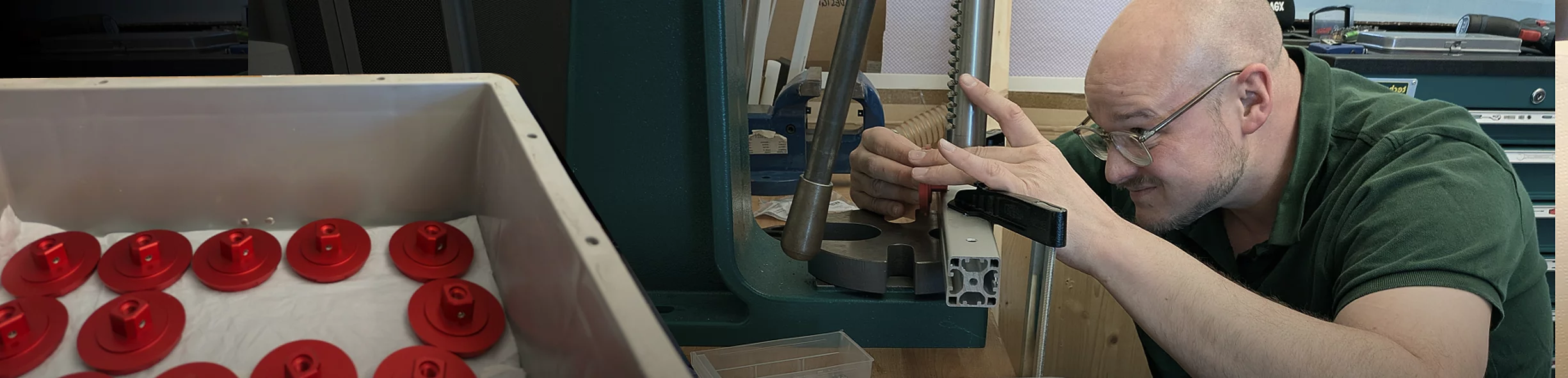
When critical industrial systems reach the end of their life cycle, a complete replacement is often neither economical nor practical. Sedax AG helped Hitachi redevelop and modernize an existing spark detection sensor through reverse engineering. A legacy device that could no longer be reproduced was transformed into a robust, cost-effective, and future-proof solution.
For Hitachi, Sedax transformed a business-critical sensor component into a modern, production-ready platform. The result: greater reliability, reduced production costs, and a scalable solution that ensures long-term availability and future enhancements.
Challenge & Vision
When key components are no longer available
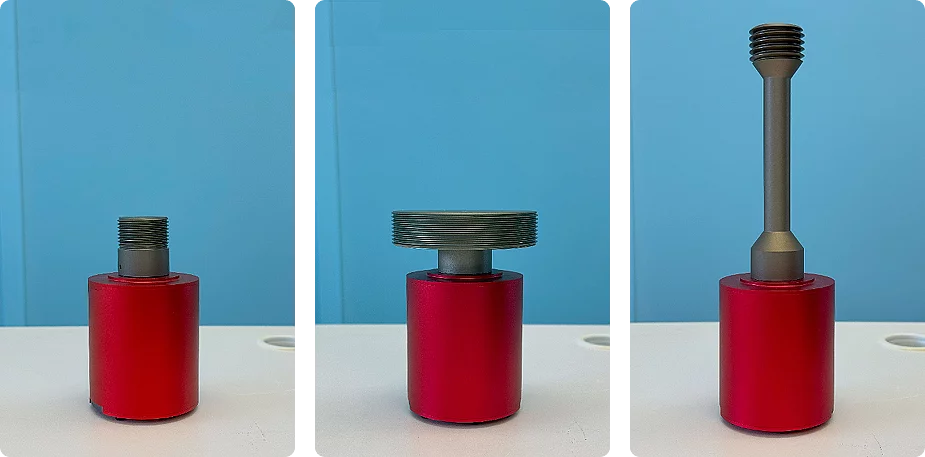
Hitachi relied on a proprietary sensor unit for spark detection that was used daily in a wide variety of industrial facilities. The existing devices were only available in limited quantities, incurred high maintenance costs, and could no longer be reproduced due to a lack of manufacturing documentation.
This created the challenge of ensuring the long-term availability of this critical technology while also improving reliability and cost-effectiveness.
A modern solution for demanding industrial environments
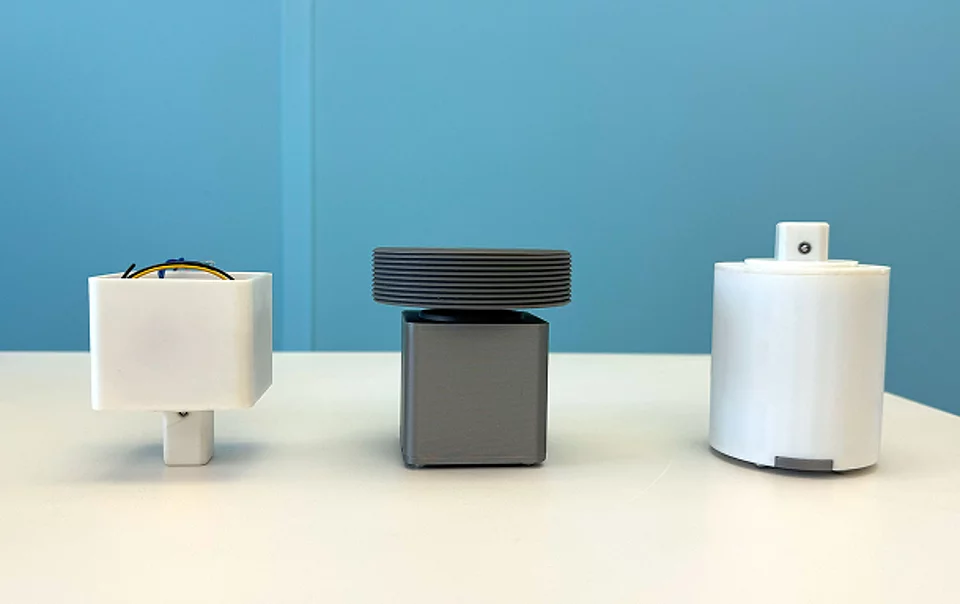
The goal of the project was to redesign the existing sensor using reverse engineering, systematically eliminate known vulnerabilities, and sustainably improve its performance. The new solution was intended to be robust, energy-efficient, and cost-effective, as well as flexible enough to be adapted to various operating conditions and industrial environments.
In addition, the focus was on developing a future-proof platform that ensures long-term availability while meeting the highest standards for reliability and performance.
Approach & Method
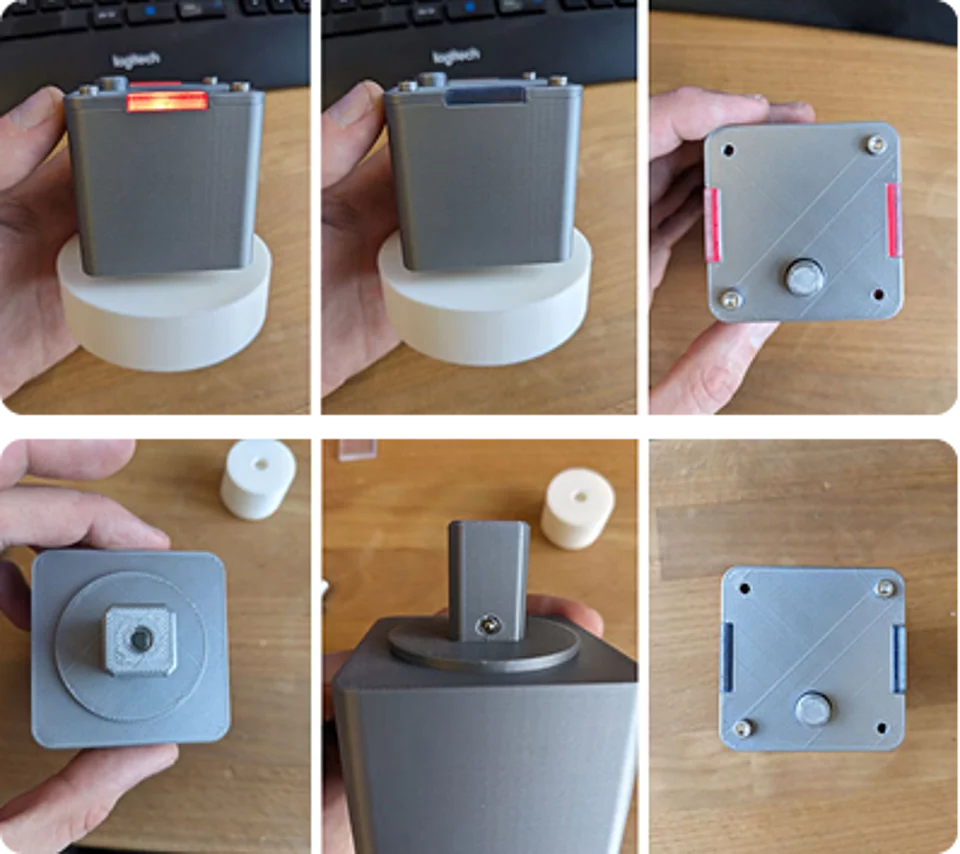
At the outset, Sedax analyzed various application scenarios and evaluated the functional requirements across multiple areas of application. Through rapid prototyping and iterative testing cycles, key functions, interfaces, and technical requirements were validated early in the project.
This structured development approach made it possible to identify risks early on, systematically capitalize on opportunities for optimization, and lay the groundwork for a robust solution ready for mass production.
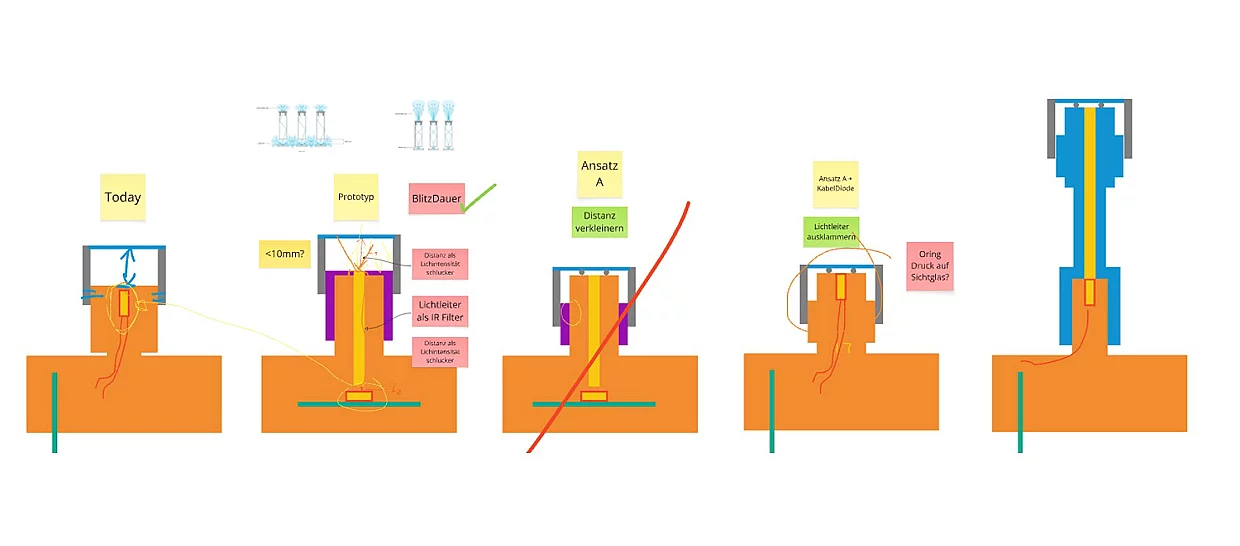
Based on these findings, Sedax developed a modular core architecture that can be flexibly adapted to different application requirements. The use of standardized components and an energy-efficient design has significantly reduced complexity.
At the same time, the foundation was laid for a reliable, scalable, and cost-effective production solution that supports both future adaptations and long-term use in a wide variety of industrial environments.
Results & Added Value
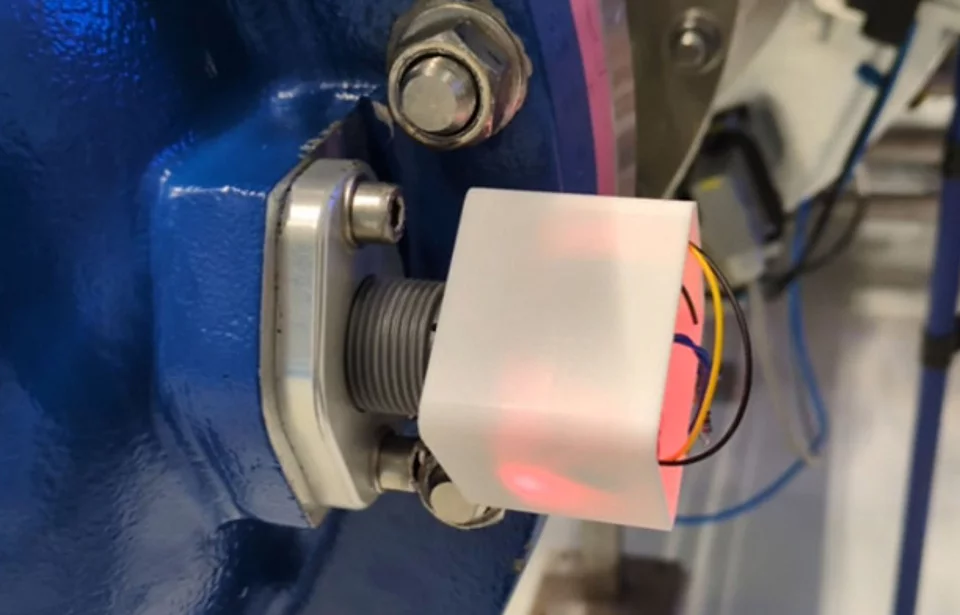
By combining reverse engineering with targeted product redesign, Sedax transformed an outdated legacy device into a modern solution consistently designed for performance, scalability, and cost-efficiency. The result is a future-proof sensor platform that offers greater reliability, reduces production and maintenance costs, and lays the foundation for long-term availability and future enhancements.
50% lower unit costs
Lower unit costs through well-thought-out design and optimized production processes
Seamless Integration
Wide compatibility with existing interfaces for seamless integration into existing systems.
Maximum Flexibility
Reliable performance in a wide variety of production environments and applications.
Future-Proof Product Architecture
A scalable and reproducible architecture as the foundation for sustainable product development.

How can we help?
We combine industrial design, engineering, and electronics in co-creative teams to develop solutions that are not only conceived but also brought to life. From the initial idea to industrial implementation, we support your project with our technical and design expertise.